Ledger Login: A Complete Guide to Secure Access and Crypto Management
In the rapidly evolving world of cryptocurrency, security and accessibility go hand in hand. One of the most trusted names in crypto security is Ledger, a company known for its industry-leading hardware wallets. At the heart of using Ledger devices effectively lies the Ledger Login process—a secure method that allows users to manage, store, and protect their digital assets.
This comprehensive guide explores everything you need to know about Ledger Login, including how it works, how to use it safely, common issues, security best practices, and why it plays a vital role in safeguarding your cryptocurrency holdings.
What Is Ledger Login?
Ledger Login refers to the authentication process used to access Ledger’s ecosystem, primarily through Ledger Live, the official companion application for Ledger hardware wallets. Unlike traditional logins that rely solely on usernames and passwords, Ledger Login combines hardware-based authentication, PIN protection, and private key isolation.
This means your sensitive data and private keys are never exposed to the internet, making Ledger Login one of the most secure methods available for crypto asset management.
Understanding the Ledger Ecosystem
Before diving deeper into Ledger Login, it’s important to understand the components involved:
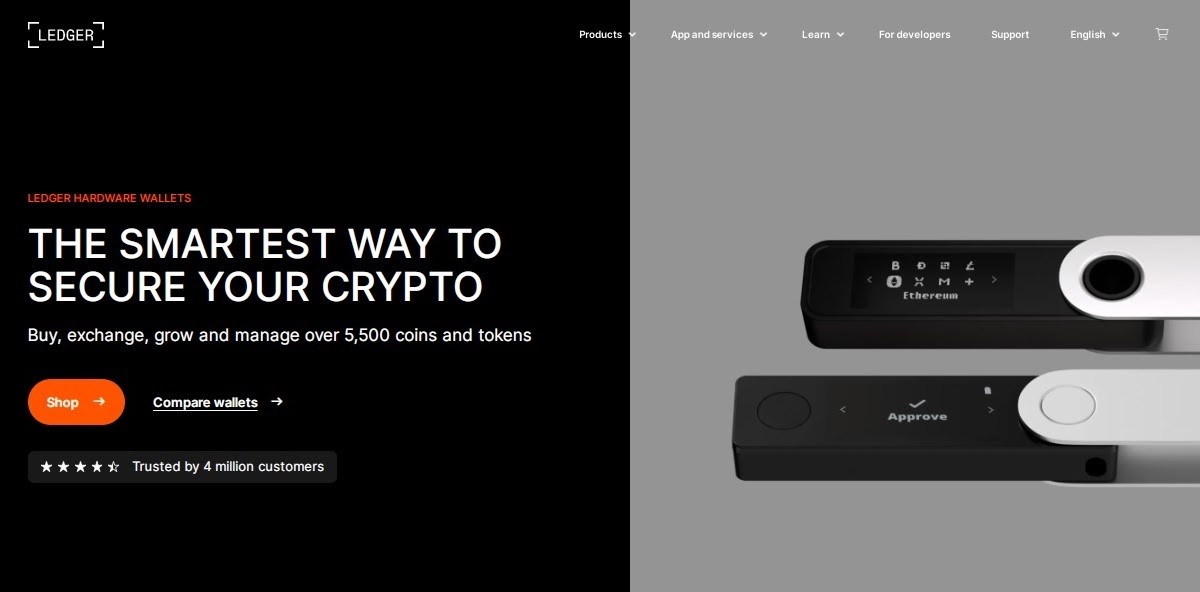
Ledger Hardware Wallets (Ledger Nano S Plus, Ledger Nano X)
Ledger Live Application (Desktop and Mobile)
Blockchain Networks (Bitcoin, Ethereum, Solana, and many others)
Ledger Login acts as the secure bridge between your hardware wallet and Ledger Live, enabling you to interact with blockchain networks without compromising your private keys.
How Ledger Login Works
The Ledger Login process is fundamentally different from logging into traditional online accounts.
Key Elements of Ledger Login
Hardware Authentication
Your Ledger device must be physically connected (USB or Bluetooth) to authorize access.PIN Code Verification
A PIN is entered directly on the Ledger device, not on your computer or phone.Private Key Isolation
Private keys never leave the secure element chip within the Ledger device.User Confirmation
Every transaction or sensitive action requires manual confirmation on the device.
This multi-layered approach ensures maximum protection against malware, phishing attacks, and unauthorized access.
How to Perform Ledger Login Step by Step
Step 1: Download Ledger Live
Visit the official Ledger website and download Ledger Live for your operating system (Windows, macOS, Linux, Android, or iOS).
Step 2: Install and Launch Ledger Live
Open the application and select “Get Started.”
Step 3: Connect Your Ledger Device
Use a USB cable or Bluetooth (for Nano X) to connect your device.
Step 4: Enter Your PIN
Enter your PIN directly on the Ledger hardware wallet.
Step 5: Verify Device Authenticity
Ledger Live checks the device’s authenticity using cryptographic verification.
Step 6: Access Your Portfolio
Once verified, Ledger Login is complete, and you can access your crypto accounts.
Why Ledger Login Is More Secure Than Traditional Logins
Traditional logins rely on centralized databases and passwords, which are vulnerable to breaches. Ledger Login eliminates many of these risks.
Security Advantages
No password stored online
No private keys exposed to the internet
Immune to keyloggers and screen capture malware
Resistant to phishing attempts
Ledger Login ensures that even if your computer is compromised, your assets remain secure.
Ledger Login and Ledger Live Integration
Ledger Live is the primary interface for users after Ledger Login. It allows you to:
View your crypto portfolio in real time
Send and receive cryptocurrencies
Install and manage blockchain apps
Stake assets and earn rewards
Buy, sell, or swap crypto securely
Ledger Login enables all of these features while maintaining top-tier security.
Common Ledger Login Issues and Solutions
Despite its reliability, users may occasionally face issues during Ledger Login.
Ledger Device Not Recognized
Try a different USB cable
Use another USB port
Ensure Ledger Live is updated
Incorrect PIN Entered
After three incorrect attempts, the device resets
Use your 24-word recovery phrase to restore access
Ledger Live Connection Error
Close other wallet applications
Restart Ledger Live
Check firewall or antivirus settings
Ledger Login on Mobile Devices
Ledger Login is also available on mobile via the Ledger Live app.
Mobile Login Features
Bluetooth connectivity (Nano X)
Secure PIN entry on the device
Full portfolio management on the go
Mobile Ledger Login provides convenience without sacrificing security.
Best Practices for Safe Ledger Login
To maximize security, follow these best practices:
Never share your PIN or recovery phrase
Always download Ledger Live from the official website
Verify transaction details on the device screen
Avoid using Ledger on public or untrusted computers
Store your recovery phrase offline in a secure location
Ledger Login and Recovery Phrase Importance
Your 24-word recovery phrase is the master key to your crypto assets.
Why It Matters
Restores access if your device is lost or damaged
Grants full control over funds
Important Warnings
Never store it digitally
Never share it with anyone
Ledger will never ask for it
Your Ledger Login security ultimately depends on how well you protect this phrase.
Ledger Login vs Software Wallet Logins
FeatureLedger LoginSoftware Wallet LoginPrivate Key StorageOfflineOnlineHardware ConfirmationYesNoMalware ResistanceHighLowPhishing ProtectionStrongModerate
Ledger Login clearly stands out as the safer option.
Using Ledger Login with Third-Party Apps
Ledger Login can be used with third-party wallets and DeFi platforms such as:
MetaMask
MyEtherWallet
WalletConnect-enabled dApps
In these cases, Ledger acts as a secure signing device, ensuring your private keys remain protected.
Ledger Login for Businesses and Institutions
Ledger Login is not limited to individual users. Businesses and institutions use Ledger devices for:
Treasury management
Custodial services
Multi-signature wallets
The secure login process ensures compliance and risk mitigation.
Future of Ledger Login
Ledger continues to innovate with features such as:
Ledger Recover (optional recovery service)
Improved biometric integrations
Enhanced multi-device authentication
These developments aim to make Ledger Login both more secure and user-friendly.
Frequently Asked Questions About Ledger Login
Is Ledger Login free?
Yes, Ledger Login is included with Ledger devices and Ledger Live.
Can I log in without my Ledger device?
No. The physical device is required for authentication.
What happens if I lose my Ledger device?
You can restore access using your 24-word recovery phrase.
Is Ledger Login anonymous?
Yes. Ledger does not store personal login data or private keys.
Conclusion: Why Ledger Login Is Essential for Crypto Security
In an era where cyber threats are constantly evolving, Ledger Login provides a robust and reliable defense for cryptocurrency users. By combining hardware-based authentication, offline private key storage, and user-controlled verification, Ledger Login sets a gold standard in crypto security.
Whether you are a beginner or an experienced investor, mastering Ledger Login is essential for safely managing digital assets. With proper usage and best practices, Ledger Login ensures that you—not hackers or third parties—remain in full control of your crypto future.